

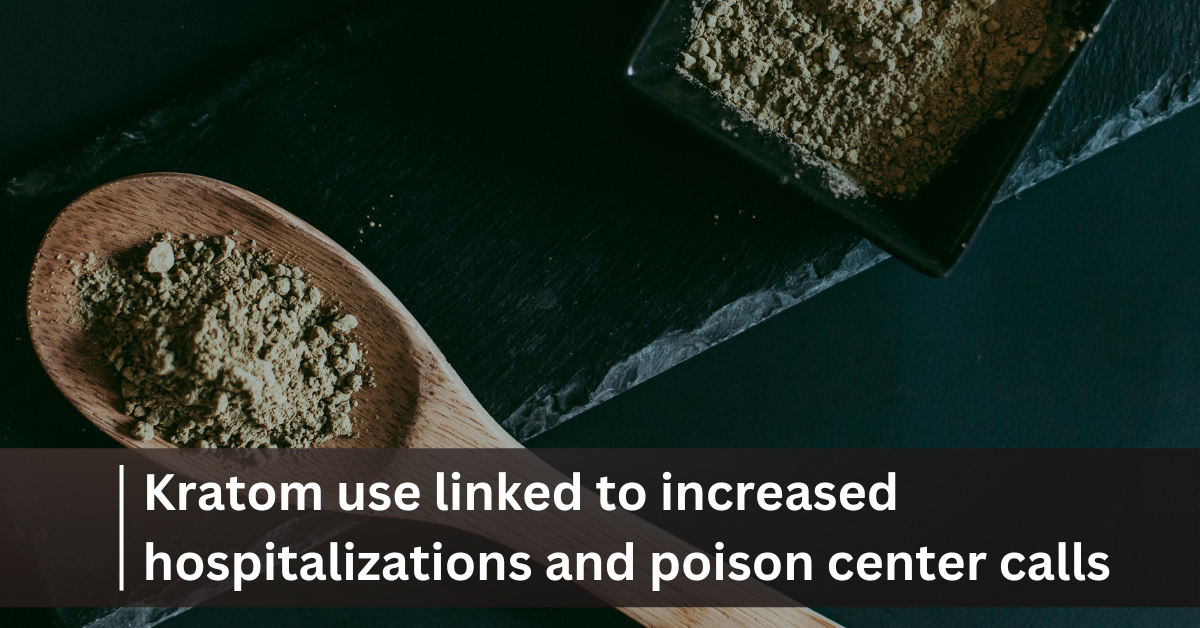
According to the results of an analysis by UVA Health, calls to U.S. poison centers about kratom, a drug widely available in vape shops and gas stations, have increased by more than 1,200% over the period between 2015 and 2025, with a significant increase in hospitalizations.
Specifically, it was found that Kratom-related reports reached a record 3,434 in 2025, up from 258 in 2015, driven by wider availability and more potent formulations. Over the same period, hospitalizations rose sharply, by over 1,150% for kratom alone (43 to 538 cases) and by nearly 1,300% when combined with other substances (40 to 549 cases). In total, 233 deaths were reported, most involving multiple substances.
“The data reflects a concerning trend,” said researcher Dr. Chris Holstege, the director of UVA Health’s Blue Ridge Poison Center in a press release. “This trend found in the national data is also occurring in our local clinical practice, with more patients presenting to UVA Health following serious complications associated with kratom products.”
Kratom, a plant derived from a Southeast Asian tree, has traditionally been used for pain relief and mood effects, acting as both a stimulant and a sedative, and is sometimes used to manage opioid withdrawal despite limited evidence of its effectiveness.
In the U.S., it is currently widely sold in more potent, unregulated forms such as pills or extracts, which may contain unknown substances and carry risks including potential liver damage. “We are experiencing a marked increase in kratom-associated products being sold in the U.S. market,” Dr. Holstege said. “We want the public to be aware that these products contain chemicals of varying concentrations such as mitragynine and 7-hydroxymitragynine that have complex pharmacological actions and can cause drug interactions and adverse consequences in humans.”
Another analysis of poison center data found that kratom-related calls rose from 2015 to 2019, plateaued through 2024, and then surged sharply in 2025. Moreover, over the decade, more than 14,400 exposures were reported, mainly among men in their 20s and 30s, with a notable increase among those aged 40-59 years, indicating broader use.
These findings raised concern from health experts, as 60% of multi-substance cases in 2025 led to serious outcomes, with approximately half of the cases requiring hospitalization, prompting calls for stricter oversight and stronger public health warnings about the risks, especially when combined with other substances.