
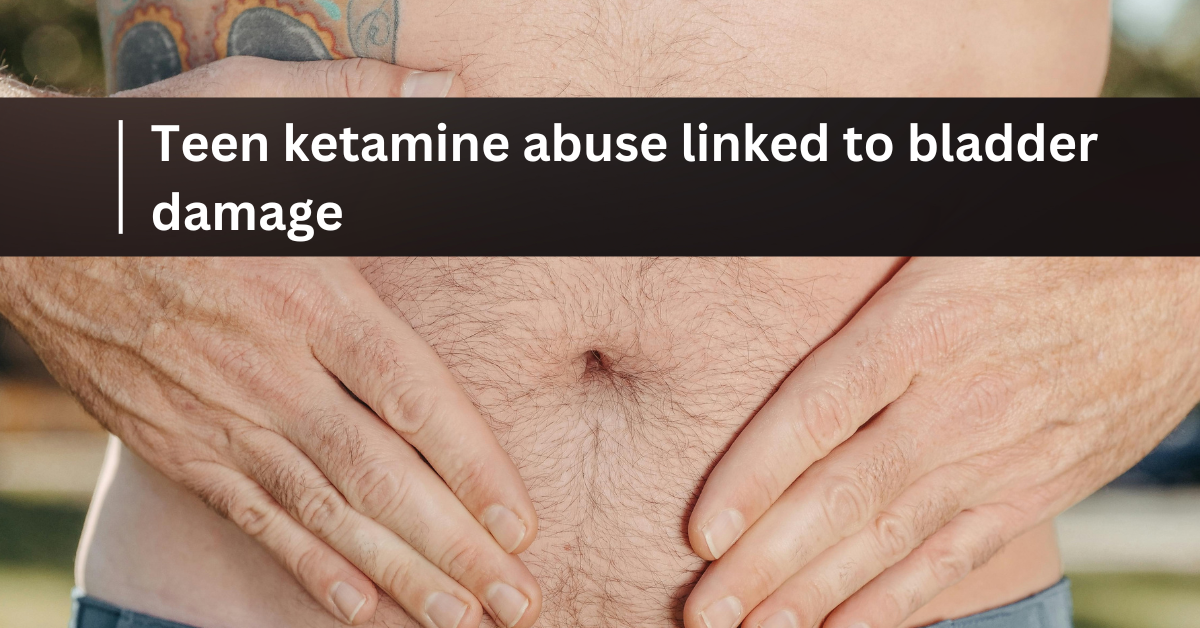
A recent BBC analysis article authored by Ben Moore, Alex Bishand Sarah Brinicombe examined the rising recreational use of ketamine among young people in the UK and its serious health consequences, including bladder damage, kidney and liver problems.
The article discusses the case of a 14-year-old student, referred to anonymously as Sarah, who now needs to wear incontinence pads to school due to bladder damage from recreational ketamine use. Ketamine is a drug used medically in the UK as an anaesthetic, sedative, and pain reliever, and also in veterinary practice. In addition, it is taken recreationally for its hallucinogenic effects, but tolerance develops quickly, requiring higher doses. Due to its health risks, ketamine was reclassified from Class C to Class B in 2014.
There has been an increase in the drug’s prevalence among 16 to 24-year-olds, with data released by the Office for National Statistics demonstrating that the use of ketamine has doubled in a decade. In addition, the results of a survey of more than 13,000 secondary school-age children in England in 2023, found 11% of 15-year-olds surveyed had been offered ketamine at some point.
According to Prof. Seshadri Sriprasad, a consultant urological surgeon at Darent Valley Hospital in Dartford, there has been a rise in cases of “ketamine bladder” over the past year, with his youngest patient being only 17 years old. “Once it goes into the bladder, the lining gets damaged, you get ulcers, they start to bleed, so this leads to continuous damage, which makes the bladder smaller and smaller as time goes by”, he said in his interview with BBC News. “We are seeing the tip of the iceberg, so I think we need to have the right education and awareness of this habit and they need to try their best to get off this.”
Currently, the maximum penalty for ketamine possession is up to five years in prison, an unlimited fine, or both. “Conversations with those affected are essential to understanding what more needs to be done to tackle supply and addiction,” a Home Office spokesperson told BBC News. “We are grateful to the Advisory Council on the Misuse of Drugs for publishing their assessment. We will now consider the report carefully and respond as a matter of priority.”