
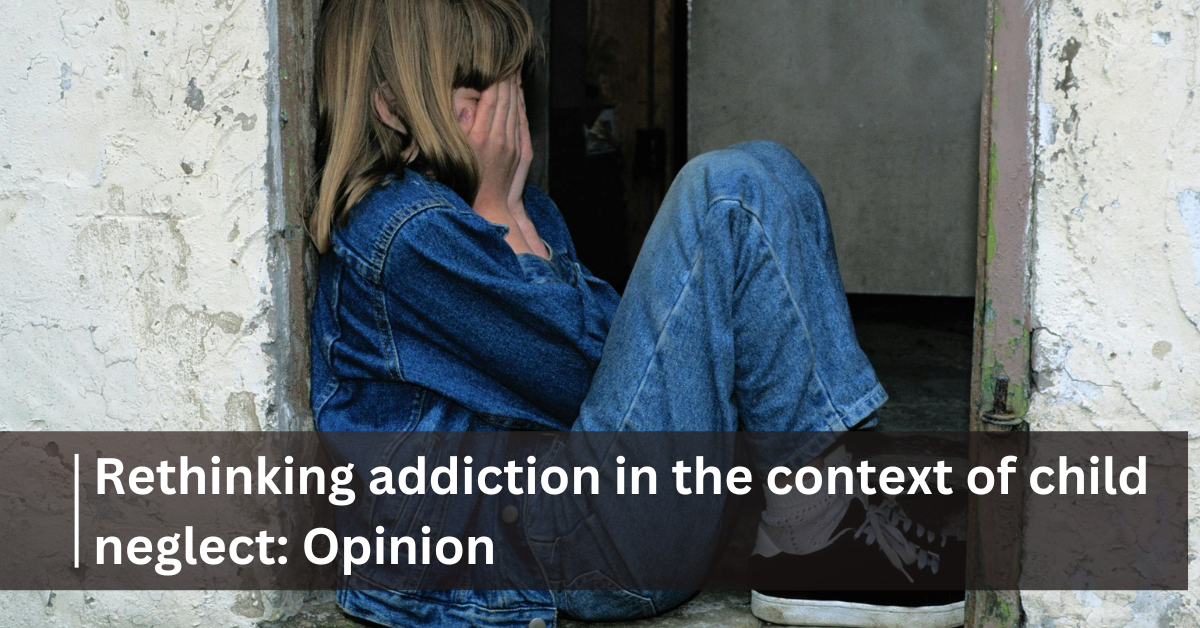
A recent article published by The Imprint and authored by Emily Putnam-Hornstein and Sarah font examined whether parental substance use should be treated as child neglect. Specifically, the authors pointed out that harm reduction strategies in child welfare increasingly focus on reducing the risks of drug exposure rather than addressing the underlying addiction itself, and that CPS safety plans in multiple U.S. states instruct parents to remove visible drug paraphernalia before children return home, reinforcing the idea that substance use can continue as long as certain surface-level precautions are taken.
“In a growing number of jurisdictions, CPS agencies tell doctors they do not have to report a parent or newborn’s positive drug test, while telling other community members that an active substance use disorder is not a basis for investigating whether a child has been harmed or endangered,” reads the article. “Parent advocates who argue that ‘drug tests are not parenting tests’ seem to have convinced child welfare leaders across the political spectrum that, even though it is illegal to drive a car while intoxicated, parenting under the influence should not evoke similar concerns.”
According to the authors, these harm reduction strategies focus on reducing the harm for individuals who use drugs, and not on protecting children who may be endangered by parental substance use. “Prioritizing expressed preferences of the parent to continue their drug use over the long-term health and safety of both parents and children has foreseeable consequences,” they wrote.
Moreover, the authors argue that while earlier advocacy framed addiction as a medical condition rather than a moral failing, current policies have shifted too far by limiting CPS involvement, leaving parents with voluntary services and unenforceable safety plans, and treating the initiation of medication-assisted treatment as sufficient despite ongoing risks of relapse and harm. “No one is suggesting that a single positive drug test or instance of drug use should automatically trigger the removal of children from the home. But we must abandon the delusion that parents who are drug-addicted will enter treatment voluntarily before serious harm falls to them or their children, or have the capacity to make their addiction safe and inconsequential while parenting.”
In their conclusion, the authors argue that a hands-off harm reduction approach ignores scientific evidence and real-world harms, ultimately prioritizing adult autonomy over child safety and risking serious consequences for vulnerable children. “Let’s be honest. The same people defending this hands-off approach would be terrified to have their own children spend five seconds in a tent full of fentanyl and strange men soliciting sex — much less live there indefinitely,” they wrote. “This is a classic example of luxury beliefs — the privileged gain status by espousing tolerance of harmful environments and behaviors, while they and their loved ones remain fully insulated from the consequences.”